

A remodel or custom build feels exciting, especially when you’re aiming for a “forever home” in Reno. Most homeowners start with a clear vision, then quickly realize the process includes a lot of moving parts, coordination, and timing. A realistic timeline helps protect your budget, your schedule, and your peace of mind, but even strong plans can face delays. When you understand why delays happen and how to reduce them, you can move through your project with fewer surprises and better decisions.
That preparation starts before any demo begins or footings get poured. Define what your ideal home actually looks like, then separate must-have features from nice-to-have features so priorities stay clear when choices get tight. Take an honest look at what works and what doesn’t work in your current home, and decide where you’re willing to compromise to get the best long-term layout. Planning for the future also matters, so consider family growth, aging in place, and how schools, commutes, and community amenities fit your lifestyle.
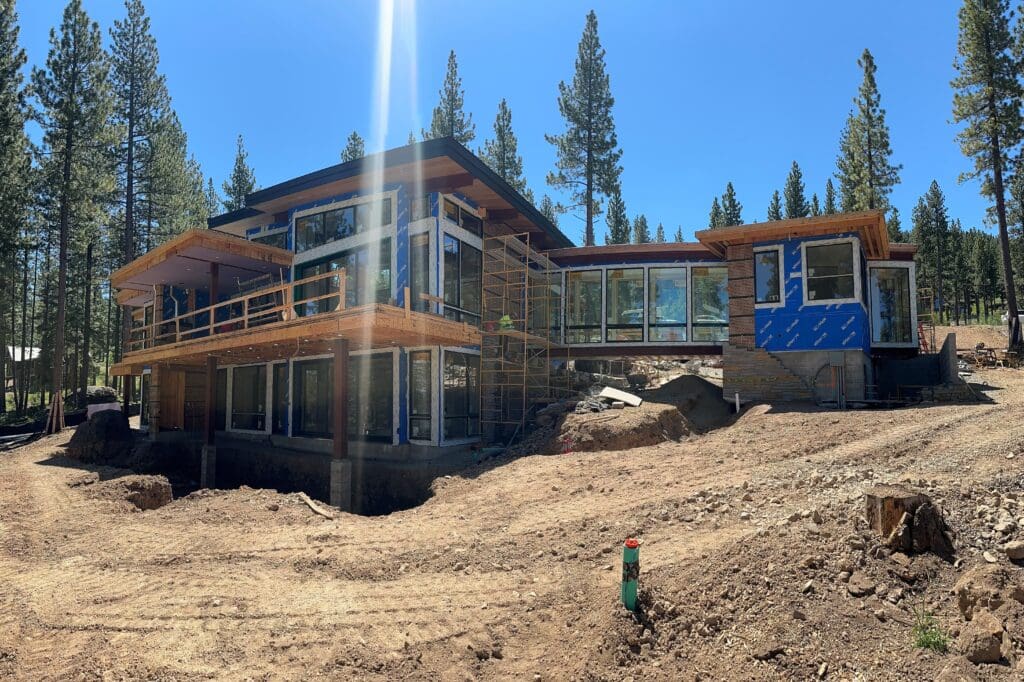
Once your vision and priorities are clear, the timeline becomes much easier to manage. Most delays come from predictable causes, and you can often reduce them with the right contractor, clear choices, and steady communication. Homeowners feel frustrated when a schedule shifts, but most timeline changes have a direct, practical reason behind them. If you want a smoother experience with construction in Reno, the first step is understanding the most common sources of schedule slips so you can plan around them from day one.
Weather conditions can slow down your project more than you expect, especially during phases that rely on dry conditions. Snow, heavy rain, wind, and freezing temperatures can affect excavation, concrete work, roofing, and exterior finishes. Even when crews can work, weather can reduce productivity and create safety issues that require pauses. We plan around seasonal patterns, but Reno weather still demands flexibility when storms hit.
Permit and inspection delays also cause timeline shifts, and they can happen even when everyone prepares well. City review times vary, and inspection schedules can fill up during busy building seasons. A project can’t move forward to the next phase until the required approvals happen, so timing matters. We help homeowners stay ahead by coordinating submittals, tracking required inspections, and keeping the sequence tight.
Material shortages and supply chain issues remain a real factor, especially for specialty finishes and custsom-order items. Cabinets, windows, doors, fixtures, and appliances often have lead times that don’t match a fast schedule. If a key material arrives late, crews may need to pause or switch tasks, and that can create a ripple effect. We recommend choosing materials early and confirming availability before we lock the schedule.
Skilled labor shortages can impact timelines, because good trades stay in high demand throughout Northern Nevada. Electrical, plumbing, HVAC, tile setters, and painting all depend on experienced crews who keep quality consistent. When trades get booked out, the schedule can compress and create gaps between phases. We manage this risk by planning ahead, building strong subcontractor relationships, and sequencing work as efficiently as possible. You still benefit most when you select an experienced general contractor who already has reliable trade partners in place.
Design changes during construction often create the biggest and most preventable delays, and this happens more than many homeowners expect. A change that sounds small - moving a wall, swapping cabinet layouts, changing the paint color or tile patterns, can trigger revisions across multiple trades. Those revisions can require new materials, updated plans, and rework that adds time and cost. We support changes when they truly improve your home, but we also explain the schedule impact so you can decide wisely. Finalizing designs before construction begins is one of the best ways to protect your timeline.
Unforeseen site conditions can also slow progress, especially in older homes or properties with unknown conditions. Once we open walls or start excavation, we may find issues like outdated wiring, hidden plumbing problems, poor drainage, or structural repairs that weren’t visible earlier. These discoveries require a plan, materials, and time to fix correctly. We’d rather address these problems thoroughly than cover them and create future issues. A good contingency plan and clear communication help you handle surprises without panic.
Financial or budget challenges can cause delays when funds don’t line up with the construction schedule. If financing isn’t ready, payments slow down ordering, scheduling, and progress. Budget strain can also lead to last-minute scope changes, which can disrupt the sequence of work. We encourage homeowners to secure financing early and build a realistic budget that matches the desired finishes. Clear cost planning supports smoother decisions and fewer stop-and-start moments.
Contractor or subcontractor scheduling conflicts can happen when multiple projects compete for the same crews. Even with strong planning, a delay on one job can push another job’s schedule. The best way to reduce this risk is to work with a contractor who schedules proactively and confirms dates well in advance. We build timelines with trade availability in mind and communicate changes quickly to avoid bottlenecks. Good scheduling discipline keeps momentum and limits downtime between phases.
Mistakes and rework also create avoidable delays, and they usually come from rushed planning or unclear expectations. If a measurement is off, a layout gets misread, or materials get installed incorrectly, someone must remove and redo the work. Rework wastes time, increases costs, and creates frustration for everyone involved. We reduce this risk by using detailed plans, checking work at each stage, and maintaining quality control across trades. Clear documentation and supervision protect your schedule as much as they protect the finished result.
Delays in homeowner decision-making also cause major timeline issues, and this one often surprises people. When you don’t choose finishes, fixtures, paint colors, or layout details on time, crews can’t complete their work or they may need to revisit areas later. That stop-and-return pattern slows the entire project and can create scheduling gaps with trades. We help homeowners by setting decision deadlines and keeping a running selections list, so you always know what’s needed next. When you stay decisive and prepared, you keep labor moving and protect your timeline.
Realistic timelines reduce stress because they reflect real sequencing, lead times, and inspection needs. We build schedules that include logical buffers and clear milestones, so you can track progress without guessing. You should also expect phases to overlap in a controlled way, because that helps keep a project efficient. When you treat the timeline as a tool instead of a promise carved in stone, you can manage changes with less frustration. A professional schedule creates clarity for homeowners and trades alike.
Securing financing early gives your project stability, especially when deposits and material orders start immediately. A remodel or custom build includes predictable payment points, and you want those funds ready before work begins. When cash flow stays steady, purchasing stays on track, and the schedule stays cleaner. We also encourage homeowners to build a contingency for unknown conditions, because older homes can hide surprises. Financial preparation keeps decisions calm and keeps the project moving forward.
Finalizing designs before construction begins is one of the most effective ways to prevent avoidable delays. We recommend you spend the time upfront defining must-haves versus nice-to-haves and prioritizing needs over wants. That planning includes thinking through your future, like whether the layout fits a growing family or supports aging in place. When you lock the plan early, trades can work efficiently without constant revisions. You still have flexibility, but you avoid the costly mid-project changes that push timelines out.
Working with an experienced general contractor helps you avoid the most common scheduling pitfalls. A strong contractor manages permits, inspections, trades, ordering, and quality control with a clear system. You also benefit from established subcontractor relationships, because reliable crews show up when scheduled and communicate clearly. We believe homeowners deserve transparency, so we explain the “why” behind the schedule and the “what’s next” for each phase. That clarity helps you feel confident even when a project gets complex.
Proactive communication keeps your project aligned, especially when decisions or issues arise. We recommend regular check-ins, written updates, and clear documentation for changes. When you ask questions early, you prevent misunderstandings that lead to rework. When we know your priorities, we can guide you toward decisions that protect the schedule and your budget. Strong communication turns a remodel into a collaborative process instead of a stressful guessing game.
Choosing available materials protects your timeline because it reduces lead-time risk. If you fall in love with a back-ordered tile or a custom cabinet timeline that doesn’t match your schedule, you may face delays before you even see progress. We help you select materials that fit your style and your timeline, so you don’t sacrifice the end result. You can also order long-lead items early when you really want something specific. Smart sourcing keeps the project moving while still honoring your vision.
Being decisive is one of the simplest ways to prevent unnecessary delays. We guide homeowners through selections with deadlines, examples, and a clear list of what we need next. When you make choices early, trades can complete their work in sequence without pausing. When choices arrive late, momentum slows and trade availability can shift. Decisiveness keeps your schedule cleaner and your project experience smoother.
Treating the process as a partnership changes everything about how the project feels. You bring the vision, and we bring the planning, coordination, and construction expertise. When we respect each other’s roles and communicate consistently, we solve problems faster and reduce stress. We want you to feel supported, informed, and confident throughout the build. That partnership mindset is one of the best protections against the common causes of delays.
Delays can feel personal when you live through them, but most delays have clear causes that you can manage with preparation. When you know the top reasons for delays, you can plan decisions, materials, and timelines with fewer surprises. You also set yourself up for a better outcome when you define your ideal home clearly and prioritize must-haves over nice-to-haves. A remodel or custom build should support your future, so it helps to plan for family needs, aging in place, and lifestyle factors like school zones and commutes. When you approach construction in Reno with a clear plan and a steady partnership, you protect both your schedule and your vision.
Start Planning Your Forever Home With B&T Construction in Reno.
If you’re ready to build a new custom home or transform your current home into the forever home you’ve been picturing, we’d love to help! We’ll walk you through planning, timelines, selections, and the trade-offs that keep projects moving forward. You’ll get a practical schedule, clear communication, and experienced coordination through every phase of the build. Reach out today at (775) 409-4475 or info@buildingbt.com to start designing and discussing your home remodel in Reno, NV. Let’s map out what you want, what you need, and how we can build it with fewer delays and more clarity.